
2024 Quota Reform Movement in Bangladesh
The Quota Reform Movement in Bangladesh, initiated in 2024, has garnered significant attention and sparked intense debate across the nation. This movement, primarily driven by university students, seeks to address the imbalances and perceived injustices in the government’s quota system for public sector jobs and university admissions. This report provides a detailed overview of the movement, including its origins, key events, and the responses from various stakeholders, including the government’s pro-government student wing, the Bangladesh Chhatra League (BCL), and law enforcement agencies.
The quota system in Bangladesh reserves a significant percentage of government jobs and university admissions for various groups, including freedom fighters’ descendants, women, and ethnic minorities. While intended to promote inclusivity and address historical injustices, critics argue that the system is outdated and discriminatory against merit-based candidates. The movement for reforming this system has been simmering for years, with previous protests in 2018 and 2013 witnessing similar demands.
Origins of the 2024 Movement
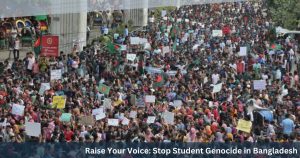
The 2024 Quota Reform Movement was ignited by a series of student protests at Dhaka University, one of the nation’s premier educational institutions. The initial trigger was the perceived lack of government action in addressing the demands for a fairer and more merit-based system. Students across various universities quickly rallied to the cause, organizing marches, sit-ins, and demonstrations to voice their concerns.
Key Events and Escalation
Initial Protests
The initial phase of the movement saw peaceful protests and rallies within university campuses. Students used social media platforms to organize and amplify their message, garnering widespread support from the public and other educational institutions. The government’s initial response was dismissive, leading to increased frustration among the protesters.
Confrontation with Bangladesh Chhatra League (BCL)
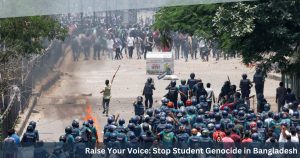
As the movement gained momentum, tensions escalated between the protesters and the Bangladesh Chhatra League (BCL), the student wing of the ruling party. BCL members, known for their pro-government stance, began to confront and intimidate the protesters. Reports of BCL members using violence and coercion to disperse the demonstrations started to surface. There were numerous incidents where BCL members, often with the tacit support of university authorities, attacked unarmed students participating in the protests.
Police Brutality
The situation took a darker turn when law enforcement agencies, including the police, began to intervene. Instead of protecting the protesters, police forces were often seen siding with the BCL members, using excessive force against the students. Tear gas, rubber bullets, and batons were employed to break up peaceful assemblies. Numerous students were injured, some critically, in these confrontations.
Brutality Against Unarmed Students
One of the most shocking aspects of the movement was the brutal crackdown on unarmed students by both the police and BCL members. Eyewitness accounts and video footage showed students being beaten, dragged, and detained without provocation. The violence was not limited to male students; female students were also targeted, facing verbal abuse and physical assaults. The brutality reached a peak when police and BCL members jointly attacked a peaceful sit-in at Dhaka University, resulting in dozens of injuries and several hospitalizations.
Government Response and Army Deployment
Government Stance
The government’s response to the movement was initially dismissive and later aggressively defensive. Statements from government officials downplayed the protests, labeling them as politically motivated and orchestrated by opposition forces. Despite mounting evidence of police and BCL brutality, the government refused to acknowledge any wrongdoing.
Army Deployment
As the protests showed no signs of abating and the situation in the capital became increasingly volatile, the government took the unprecedented step of deploying the army to restore order. The presence of the military in university campuses and major protest sites was a clear indication of the government’s determination to quell the movement by any means necessary. The army’s involvement, while initially aimed at ensuring security, further heightened tensions and fears among the protesters and the general public.
The 2024 Quota Reform Movement in Bangladesh highlights the deep-rooted issues within the country’s quota system and the government’s approach to dissent. The movement, marked by student-led protests, was met with severe repression from the Bangladesh Chhatra League and law enforcement agencies. The deployment of the army underscores the lengths to which the government is willing to go to maintain control. As the movement continues to unfold, it remains a critical moment in Bangladesh’s ongoing struggle for a more just and equitable society.
The brutality witnessed during this movement has sparked a national and international outcry, raising important questions about the state of democracy and human rights in Bangladesh. The future of the quota system and the broader implications for governance and civil liberties in the country remain uncertain, making it a pivotal issue for all stakeholders involved.